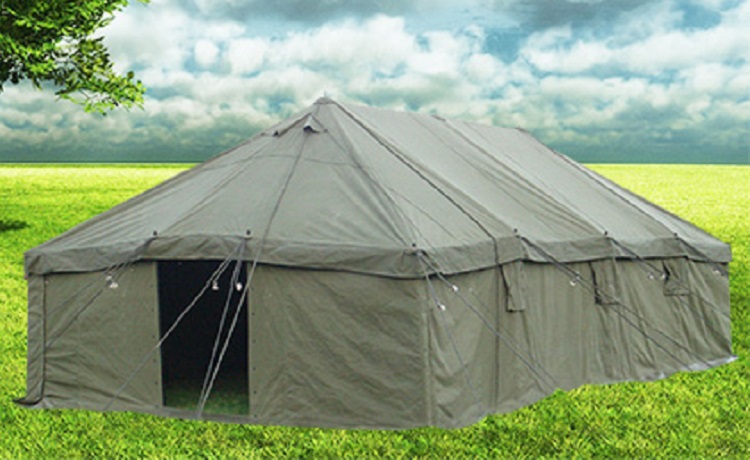
GP Medium Tents are an essential piece of equipment for various outdoor activities, ranging from military operations to civilian camping and events. Known for their durability and versatility, these tents offer a reliable shelter solution in diverse environments. Understanding the features, setup process, and maintenance requirements of GP Medium Tents can greatly enhance their utility and longevity. This comprehensive guide explores everything you need to know about these robust tents, providing valuable insights into their design, applications, and care.
Design and Features
GP Medium Tents are engineered to withstand challenging conditions. Their design incorporates several key features that make them suitable for a variety of uses:
- Size and Capacity: These tents typically measure 16 x 32 feet, accommodating up to 12 people comfortably. This spacious interior is ideal for group activities and housing equipment.
- Material: Constructed from heavy-duty fabric, GP Medium Tents are resistant to weather elements, ensuring durability and protection from the sun, rain, and wind.
- Frame and Structure: Supported by a robust framework of aluminum or steel poles, these tents offer stability and a strong foundation.
- Ventilation: Equipped with multiple windows and vents, these tents provide ample airflow, preventing condensation and maintaining a comfortable environment inside.
- Portability: Despite their size, these tents are designed for easy transport and storage, often packed into manageable kits.
For more on these features, explore further insights here.
Applications of GP Medium Tents
GP Medium Tents are utilized in a wide range of scenarios, including:
Military Operations
These tents are a staple in military settings, used as command posts, barracks, and field hospitals. Their sturdy construction and adaptability to various terrains make them ideal for such demanding environments. Learn more in this detailed guide here.
Civilian Use
Outside of military applications, these tents are popular for:
- Outdoor Events: From festivals to weddings, their large capacity and weather resistance make them suitable for outdoor gatherings.
- Camping Expeditions: For group camping trips, these tents offer a spacious and secure shelter option.
- Emergency Shelters: In disaster relief operations, GP Medium Tents provide immediate, temporary housing solutions.
Find additional information here on how these tents are adapted for civilian purposes.
Setting Up a GP Medium Tent
Proper setup is crucial for the effectiveness and safety of a GP Medium Tent. Here are the general steps involved:
- Site Selection: Choose a flat, dry area free from debris and overhead hazards.
- Layout: Unpack and layout the tent components, ensuring all parts are accounted for before assembly.
- Frame Assembly: Begin by assembling the frame, connecting the poles as per the instructions.
- Tent Attachment: Drape the tent fabric over the frame and secure it to the poles using the provided clips or ties.
- Staking: Anchor the tent to the ground using stakes and ropes, adjusting for tension to ensure stability.
- Final Adjustments: Check and secure all openings, windows, and vents for proper function.
For a detailed setup guide, read more about this topic here.
Maintenance and Care
Ensuring the longevity of a GP Medium Tent requires regular maintenance and proper care practices:
- Cleaning: Regularly clean the fabric with mild soap and water to prevent mold and mildew.
- Repairs: Promptly address any tears or damage to the fabric and framework to prevent further deterioration.
- Storage: Store the tent in a cool, dry place, ensuring it is completely dry before packing to avoid mildew.
To gain more insights on maintenance tips, explore further insights here.
In conclusion, GP Medium Tents provide a versatile and durable shelter solution for a variety of uses. By understanding their features, applications, and care requirements, users can maximize their investment and ensure these tents serve their purpose effectively for years to come.
About the Author


