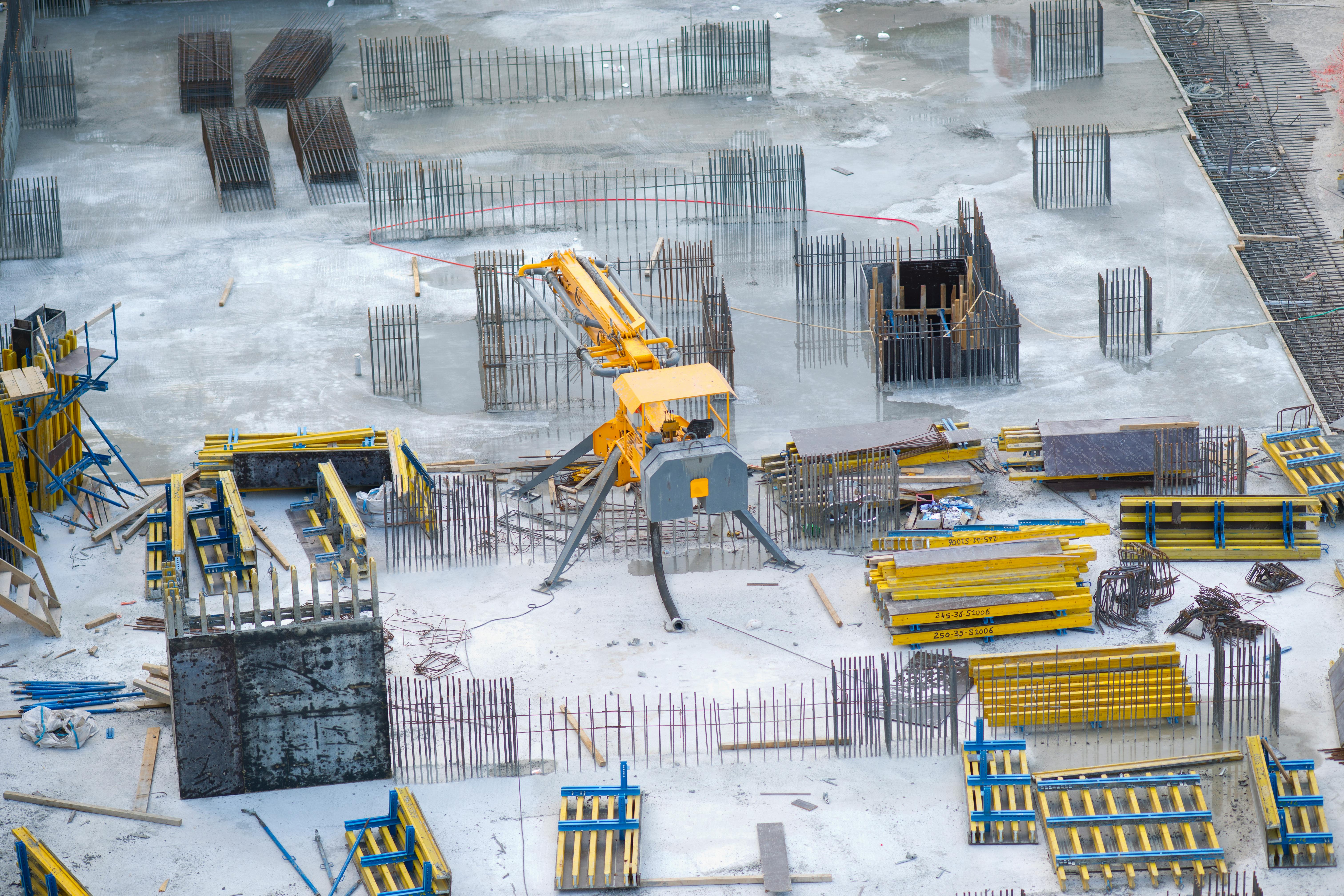
In the fast-paced world of construction, efficient project management is crucial to ensure projects are completed on time, within budget, and to the required quality standards. However, managing construction projects can be a complex task, involving coordination between various teams, suppliers, and clients. This complexity can be simplified with the use of advanced progress tracking software, which provides real-time insights, enhances collaboration, and streamlines operations.
The Importance of Progress Tracking in Construction
Progress tracking is a vital aspect of construction project management. It involves monitoring the progress of a project against the planned schedule and budget, allowing project managers to identify potential delays or issues early on. By implementing effective progress tracking, construction companies can:
- Ensure timely completion of projects by identifying bottlenecks and taking corrective actions.
- Maintain budgetary control by tracking expenses and preventing cost overruns.
- Enhance communication and collaboration among project stakeholders.
- Improve resource allocation and management by analyzing real-time data.
- Increase client satisfaction by providing transparent updates on project status.
Features of Effective Construction Progress Tracking Software
Choosing the right software can significantly impact the efficiency of project management. Effective construction progress tracking software typically includes the following features:
Real-Time Data Access
Access to real-time data is crucial for making informed decisions. Modern software solutions offer cloud-based platforms that allow project managers to access updated information from any location, ensuring that decision-making is based on the most current data available.
Integration with Other Tools
Seamless integration with other tools and systems, such as time and attendance software for construction, enhances operational efficiency. This integration ensures that all aspects of the project are aligned and that data from different sources can be aggregated for comprehensive analysis.
Customizable Dashboards and Reports
Customizable dashboards and reports enable project managers to tailor the software to meet specific project needs. They can track key performance indicators, monitor progress at various stages, and generate reports that provide insights into project performance.
Automated Alerts and Notifications
Automated alerts and notifications keep project managers informed about important developments, such as approaching deadlines or budget thresholds. This proactive approach allows for timely interventions and adjustments, reducing the risk of project delays or cost overruns.
Benefits of Using Progress Tracking Software in Construction
The use of advanced software solutions for progress tracking offers numerous benefits, including:
- Improved Efficiency: Automation of routine tasks frees up valuable time for project managers to focus on strategic decision-making.
- Enhanced Accuracy: Minimized human error through automated data collection and analysis.
- Better Risk Management: Early identification and mitigation of potential risks through comprehensive monitoring and analysis.
- Increased Accountability: Clear visibility into project progress holds all stakeholders accountable for their roles and responsibilities.
- Streamlined Communication: Simplified information sharing among team members, clients, and other stakeholders, promoting collaboration.
Conclusion
In the construction industry, where delays and cost overruns can have significant repercussions, effective project management is essential. Progress tracking software provides a robust solution that simplifies project management by offering real-time insights, enhancing collaboration, and streamlining processes. By leveraging the capabilities of these modern tools, construction companies can achieve operational excellence and deliver projects that meet or exceed their clients’ expectations.
About the Author


