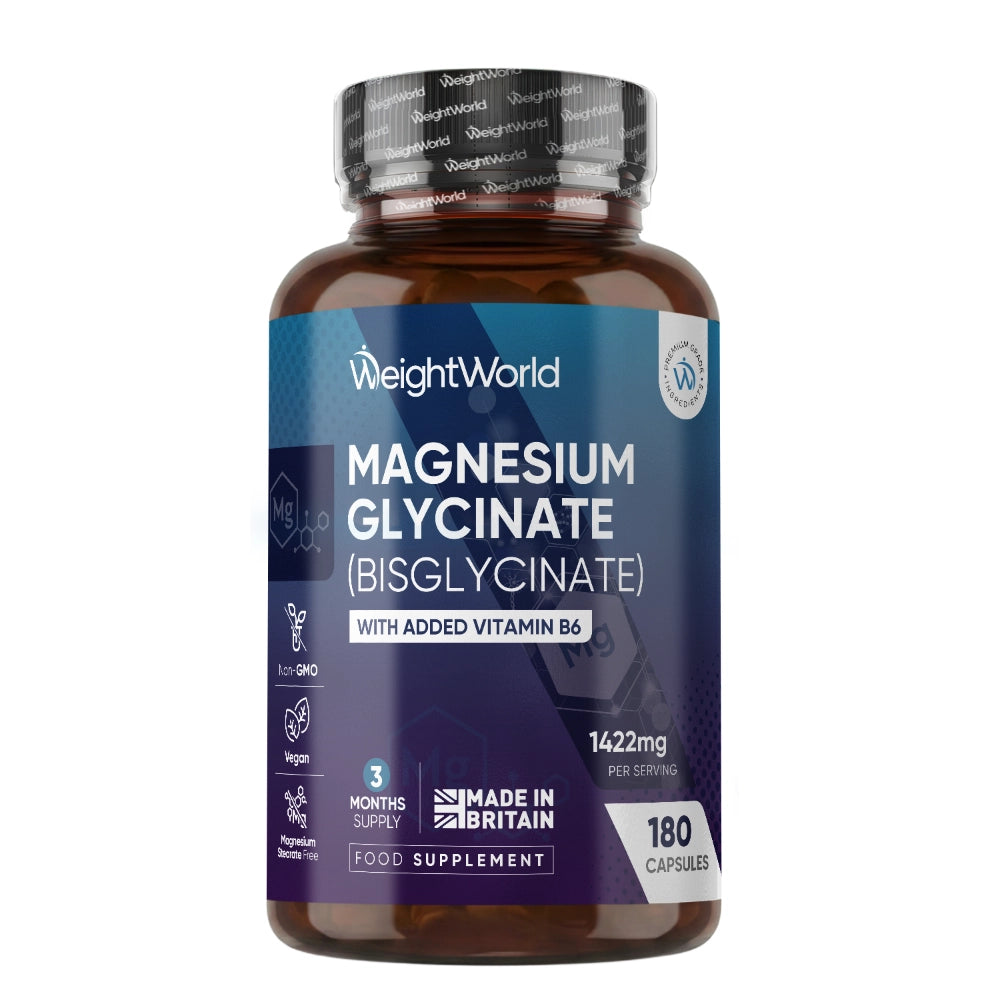
Magnesium glycinate capsules have emerged as a favored option for athletes, fitness enthusiasts, and anyone seeking faster muscle recovery after strenuous activity. By combining magnesium, a mineral essential for over 300 biochemical reactions, with the highly absorbable glycine chelate, this supplement offers a natural pathway to reduce muscle soreness, support cellular repair, and maintain optimal nerve function. The result is a smoother return to training, fewer cramping episodes, and a more resilient musculoskeletal system.
Why Magnesium Is Critical for Muscle Recovery
Magnesium plays several pivotal roles that directly influence how muscles heal and perform:
- Energy Production: It acts as a cofactor for ATP synthesis, the primary energy currency used during muscle contraction.
- Protein Synthesis: Magnesium assists in translating amino acids into new muscle fibers, essential for repairing micro-tears caused by exercise.
- Electrolyte Balance: Together with calcium and potassium, it regulates nerve impulses that control muscle tone and prevent spasms.
- Inflammation Modulation: Adequate magnesium levels help dampen inflammatory cytokines, reducing post-workout soreness.
Benefits of the Glycinate Form
Not all magnesium supplements are created equal. The glycinate form binds magnesium to the amino acid glycine, enhancing both absorption and tolerability:
- High Bioavailability: Studies show that magnesium glycinate is absorbed up to 30% more efficiently than oxide or citrate forms.
- Gentle on the Stomach: The chelated structure minimizes the laxative effect often associated with other magnesium salts.
- Synergistic Support: Glycine itself is a neurotransmitter that promotes calmness and may aid in post-exercise recovery sleep cycles.
How to Incorporate Magnesium Glycinate Capsules Into a Recovery Routine
Timing and Dosage
For most adults, 200-400″?mg of elemental magnesium per day is sufficient. When using magnesium glycinate capsules, start with one capsule (typically providing 100″?mg elemental magnesium) and adjust based on personal needs and dietary intake.
- Take the capsule with a meal to improve absorption.
- Consistent nightly dosing can support restorative sleep, a key factor in muscle repair.
- Monitor for signs of excess (e.g., unusually loose stools) and adjust accordingly.
Complementary Practices
Magnesium works best when paired with other recovery strategies:
- Hydration: Adequate water intake helps transport magnesium to cells.
- Protein-Rich Nutrition: Consuming high-quality protein supplies the amino acids needed for muscle rebuilding.
- Stretching & Foam Rolling: These techniques improve blood flow, allowing magnesium to reach fatigued tissues more efficiently.
Scientific Evidence Supporting Magnesium Glycinate for Recovery
Research across sports medicine and nutrition fields reinforces the role of magnesium in reducing exercise-induced muscle damage:
- A 2017 randomized trial found that athletes supplementing with magnesium glycinate experienced a 20% reduction in perceived muscle soreness after a high-intensity interval session.
- Meta-analyses of magnesium supplementation report improvements in muscle strength recovery times, especially in endurance athletes.
- Clinical data indicate that magnesium deficiency correlates with increased creatine kinase levels, a marker of muscle damage, highlighting the mineral’s protective effect.
Choosing a Quality Magnesium Glycinate Product
When selecting a supplement, consider the following quality markers to ensure maximum efficacy:
- Third-Party Testing: Look for certifications from organizations such as NSF or USP.
- Transparent Labeling: The product should disclose the amount of elemental magnesium per capsule.
- Purity of Ingredients: Avoid formulations that contain unnecessary fillers, artificial colors, or allergens.
Products that meet these standards, like the ones found through reputable retailers, provide confidence that the dosage is accurate and the formulation is pure.
Potential Side Effects and Contraindications
Magnesium glycinate is generally well tolerated, but it is important to be aware of possible interactions:
- Kidney Function: Individuals with severe renal impairment should consult a healthcare professional before supplementation.
- Medication Interactions: Magnesium can affect the absorption of certain antibiotics and bisphosphonates; spacing doses by at least two hours mitigates this risk.
- Dosage Ceiling: Exceeding 350″?mg of elemental magnesium per day without medical supervision may lead to gastrointestinal discomfort.
Conclusion
Integrating magnesium glycinate capsules into a post-workout regimen offers a scientifically backed, natural solution for enhancing muscle recovery. The combination of high bioavailability, gentle tolerability, and synergistic benefits from the glycine component makes this supplement a valuable addition for anyone aiming to reduce soreness, support protein synthesis, and maintain optimal nerve-muscle communication. By pairing the supplement with proper nutrition, hydration, and recovery practices, athletes and active individuals can experience faster, more efficient muscle repair, allowing them to train harder, more consistently, and with greater confidence.
About the Author