Indoor gardening enthusiasts often face a common challenge: selecting the right potting mix to ensure their plants thrive. While traditional soil has been the go-to medium for many, innovations in horticulture have introduced alternative options that can offer better aeration, moisture control, and nutrient availability. This guide explores a variety of indoor potting mix options beyond traditional soil, providing insights into how these alternatives can benefit different plant types.
Understanding Indoor Potting Mix Options
The choice of potting mix can significantly impact plant health and growth. Traditional soil is not always the ideal medium for indoor plants due to its potential to compact and retain excessive moisture, leading to root rot. Fortunately, several soil alternatives for indoor plants are available that cater to different plant needs.
Soilless Potting Mix
A soilless potting mix is a popular choice among indoor gardeners. It is typically composed of a combination of materials such as peat moss, perlite, and vermiculite, offering several advantages:
- Lightweight and easy to handle.
- Improved aeration and drainage, preventing waterlogging.
- Reduced risk of soil-borne diseases and pests.
These characteristics make soilless mixes particularly suitable for plants that require well-draining conditions, such as succulents and cacti.
Organic Potting Mix
For gardeners who prefer organic approaches, an organic potting mix can be an excellent choice. These mixes are often enriched with natural components like compost, coconut coir, and pine bark. Benefits include:
- Enhanced nutrient content, supporting healthy plant growth.
- Environmentally friendly and sustainable.
- Promotes beneficial microbial activity in the root zone.
Organic potting mixes are ideal for a wide range of indoor plants, offering a balanced environment for nutrient uptake and growth.
Specialized Potting Mixes
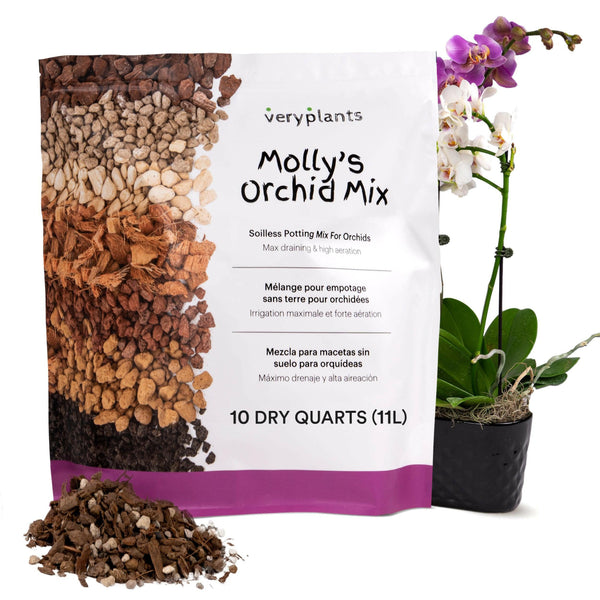
Certain plants, such as orchids and African violets, have unique needs that can be met with specialized potting mixes. For example, an indoor potting mix</a designed specifically for orchids may include ingredients like bark chips and charcoal to mimic the plant's natural growing conditions.
- Customized texture and composition for specific plant types.
- Optimized water retention and drainage tailored to the plant’s needs.
- Encourages healthy root development.
Using a specialized mix ensures that each plant receives the appropriate support for optimal growth.
Factors to Consider When Choosing a Potting Mix
Selecting the right potting mix involves considering various factors to match plant requirements and environmental conditions:
- Plant Type: Different plants have specific needs regarding moisture, aeration, and nutrients.
- Watering Habits: Consider how often you water your plants; some mixes may require more frequent watering.
- Light Conditions: Plants in low-light environments may benefit from a mix with enhanced drainage to prevent moisture buildup.
- Environmental Impact: Opt for sustainable and eco-friendly options when possible.
Conclusion
Exploring indoor potting mix options beyond traditional soil can significantly enhance the indoor gardening experience. Whether choosing a soilless blend for its excellent drainage properties or an organic mix for its nutrient-rich composition, the right choice can lead to healthier, more vibrant plants. It is essential to assess the specific needs of each plant and the conditions of the indoor environment to make the most informed decision.
About the Author