Porches have long served as transitional spaces that blend indoor comfort with outdoor charm. In Lancaster County, where historic architecture meets modern living, a well-crafted porch can enhance curb appeal, increase property value, and provide a welcoming gathering spot for families and visitors alike. Selecting the right construction approach ensures that the structure not only complements the surrounding landscape but also withstands the region’s seasonal weather patterns. This guide outlines the essential factors that define expert porch construction, offering actionable insights for homeowners who aim for lasting quality and aesthetic harmony.
Why Professional Porch Construction Matters
A professionally built porch delivers structural integrity that DIY attempts often lack. Experienced contractors understand load-bearing calculations, proper footings, and local building codes, which together prevent future settlement or water intrusion. Moreover, seasoned builders can recommend design tweaks that align with the historic character of Lancaster County homes while incorporating contemporary comforts.
For a deeper dive into strategic planning, Discover expert strategies here.
Key Considerations for a Durable Porch
Before breaking ground, evaluate the following critical elements to ensure the porch remains safe and attractive for years to come:
- Foundation and Footings: Properly sized concrete footings based on soil type and load requirements.
- Drainage Solutions: Grading, gutters, and flashing that direct water away from the structure.
- Structural Framing: Use of pressure-treated lumber or steel joists that meet local code specifications.
- Wind and Snow Loads: Design calculations that account for Lancaster County’s winter snowfall and occasional high winds.
- Future Expansion: Space allocation for potential additions such as screens, railings, or lighting.
Choosing the Right Contractor
A contractor with a proven track record in the region can navigate permitting processes efficiently and suggest materials that complement local aesthetics. To explore customized project plans, Learn about our tailored solutions.
Materials and Design Options
Selecting appropriate materials balances durability, maintenance, and visual appeal. The following options are popular among Lancaster County homeowners:
- Wood: Classic cedar or redwood offers natural beauty but requires regular sealing.
- Composite Decking: Low-maintenance, resistant to rot and insects, available in a range of colors.
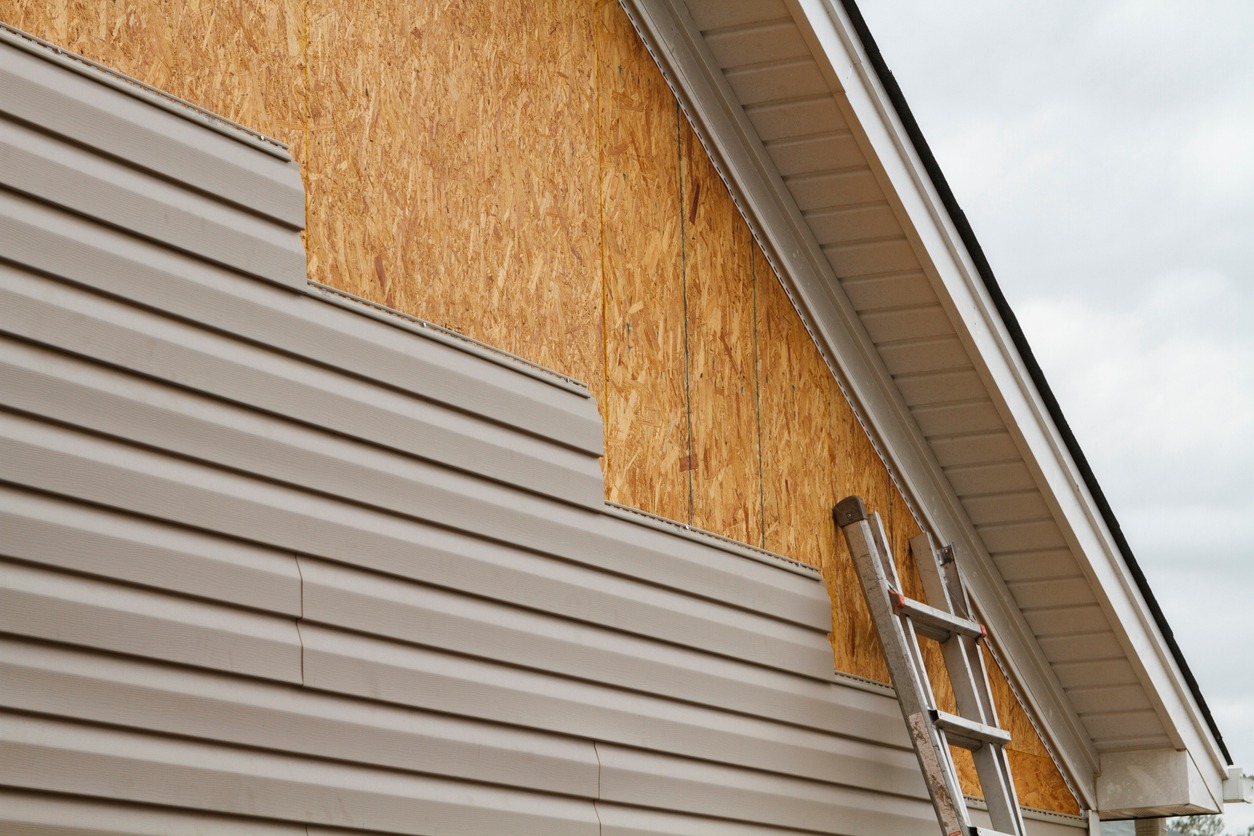
- Vinyl Siding: Provides a sleek finish and excellent weather resistance; ideal for modern designs.
- Stone or Brick Accents: Adds a timeless, robust element that echoes historic architecture.
For a comprehensive guide on material selection, Explore advanced guides and tips.
Permitting and Local Regulations
Lancaster County enforces specific building codes that address setbacks, height restrictions, and historic district guidelines. Failure to obtain the proper permits can result in costly modifications or fines. Typical steps include:
- Submitting detailed construction drawings to the County Building Department.
- Acquiring a zoning variance if the porch extends beyond allowable setbacks.
- Ensuring compliance with the Historic Preservation Commission when applicable.
- Scheduling inspections at key construction milestones.
Additional information on navigating these requirements can be found by Find out more about this approach.
Maintenance Strategies for Longevity
Even the most expertly built porch benefits from routine upkeep. A proactive maintenance schedule prolongs lifespan and preserves appearance:
- Inspect and reseal joints annually to prevent moisture infiltration.
- Clean decking surfaces with mild detergent and a soft brush to avoid abrasive damage.
- Check railings and support beams for signs of rot, rust, or loosened fasteners.
- Trim nearby vegetation to improve airflow and reduce moisture buildup.
- Apply protective coatings to wood or composite surfaces every 3-5 years, depending on exposure.
Integrating the Porch into the Home’s Architecture
A seamless blend between the porch and the existing structure enhances visual cohesion. Consider the following design tactics:
- Match roof pitch and overhangs to the main house.
- Echo existing trim profiles and color palettes.
- Incorporate period-appropriate columns or balusters for historic neighborhoods.
- Use transitional lighting fixtures that complement both indoor and outdoor d??cor.
Final Thoughts
Investing in a professionally designed porch delivers more than aesthetic appeal; it creates a functional, resilient space that adds lasting value to a Lancaster County home. By prioritizing solid foundations, appropriate materials, regulatory compliance, and ongoing maintenance, homeowners can enjoy a welcoming outdoor extension for generations. For further expertise on achieving these results, the resources available at Discover expert strategies here. provide a valuable reference point throughout the planning and construction phases.
About the Author