As the seasons change, ensuring that your home heating system operates efficiently becomes a priority. A heat pump is a critical component of modern home heating systems, renowned for its energy efficiency and reliability. However, like any mechanical system, heat pumps require regular diagnostics and maintenance to perform optimally. Understanding the essentials of heat pump diagnostics can help homeowners maintain a comfortable and energy-efficient living environment.
Understanding Heat Pump Basics
Before diving into diagnostics, it’s essential to have a basic understanding of how a heat pump works. Primarily, heat pumps function by transferring heat from one place to another “? from the outside environment into your home during winter and vice versa during summer. This process is facilitated through a series of components, including the compressor, condenser, and evaporator.
Signs Your Heat Pump Needs Diagnostics
Identifying early signs of malfunction can prevent costly repairs and maintain system efficiency. Watch out for:
- Unusual noises such as grinding or squealing.
- Inconsistent temperatures throughout the home.
- Higher than usual energy bills without increased usage.
- Frequent cycling on and off.
Key Diagnostic Tips
1. Check the Thermostat
The thermostat is the brain of your heating system. Ensure it’s set correctly and functioning. A common issue is incorrect settings or a malfunctioning thermostat, which can lead to inefficient heating.
2. Inspect Air Filters and Ducts
Clogged air filters or blocked ducts can severely impact the performance of your heat pump. Regularly check and replace filters, and ensure ducts are clean and unobstructed to allow for optimal airflow.
3. Examine the Outdoor Unit
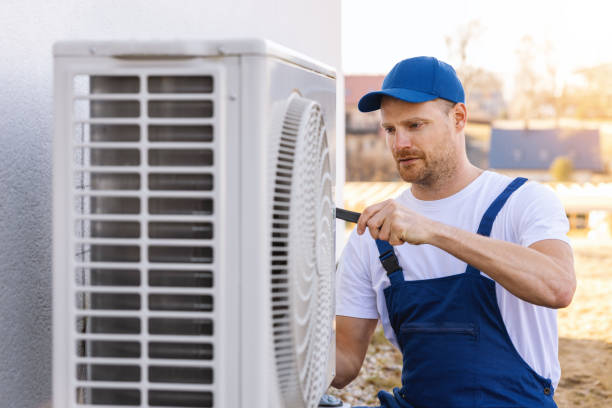
The outdoor unit is exposed to the elements, making it susceptible to debris and weather damage. Ensure the unit is clear of leaves, dirt, and other debris. Additionally, check for ice buildup in colder months, which can impede function.
4. Monitor Refrigerant Levels
Low refrigerant levels can cause the heat pump to struggle in maintaining the desired temperature. If you suspect a refrigerant issue, it’s advisable to contact a professional for proper handling and refilling.
Importance of Regular Professional Maintenance
While homeowners can perform basic diagnostic checks, regular professional maintenance is crucial for ensuring the long-term efficiency and reliability of a heat pump. Professionals can identify and rectify issues that may not be apparent to an untrained eye. Consider scheduling routine inspections to extend the lifespan of your system and maintain optimal performance.
Conclusion
Keeping your heat pump in peak condition is essential for efficient home heating. By understanding the basics of heat pump diagnostics and recognizing the signs of potential issues, homeowners can take proactive measures to ensure their systems run smoothly. Regular maintenance and timely interventions not only enhance comfort but also contribute to energy savings and system longevity.
About the Author


