In the bustling world of commercial kitchens, maintaining a clean and efficient workspace is paramount. Among the critical components that require regular attention is the grease trap. Grease traps are essential in preventing fats, oils, and grease (FOG) from entering the wastewater system, thereby averting potential blockages and environmental issues. Understanding the importance of regular grease trap cleaning services and employing best practices can significantly enhance operational efficiency and ensure compliance with local regulations.
The Importance of Regular Grease Trap Maintenance
Grease traps serve as a vital component in preventing plumbing issues and maintaining hygiene standards in food service establishments. Regular maintenance is crucial for several reasons:
- Prevention of Blockages: Accumulated FOG can lead to pipe blockages, causing costly repairs and downtime.
- Compliance with Regulations: Local authorities often mandate regular cleaning to prevent environmental contamination.
- Odor Control: Regular cleaning prevents unpleasant odors that can affect the dining experience.
- Operational Efficiency: A well-maintained grease trap ensures smooth kitchen operations without unexpected disruptions.
Frequency of Cleaning
The frequency of grease trap cleaning depends on the volume of FOG generated by the establishment. Experts recommend:
- Monthly cleaning for high-volume restaurants.
- Quarterly cleaning for medium-volume operations.
- Biannual cleaning for low-volume establishments.
Find out more about this approach to tailor the cleaning frequency to specific needs.
Steps Involved in Grease Trap Cleaning
Professional grease trap cleaning involves several key steps to ensure thorough maintenance:
- Initial Inspection: A thorough check to assess the current state of the trap and identify any potential issues.
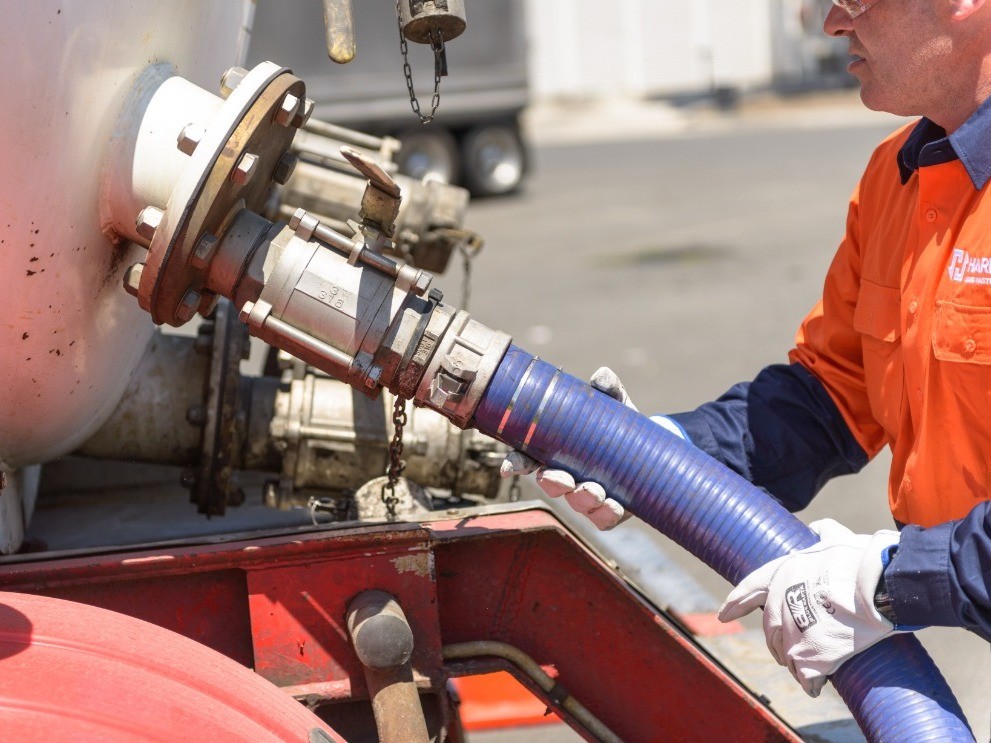
- Removal of FOG: Extracting accumulated fats, oils, and grease using specialized equipment.
- Cleaning of Components: Scrubbing and cleaning the trap’s components to remove residual waste.
- Final Inspection: Post-cleaning inspection to ensure the trap is functioning correctly.
For detailed procedures and advanced techniques, explore advanced guides and tips.
Choosing the Right Service Provider
Engaging a professional service provider for grease trap cleaning is essential. Here are factors to consider when selecting a service:
- Experience and Expertise: Choose providers with extensive experience in handling various types of grease traps.
- Compliance Knowledge: Ensure the provider is well-versed in local regulations and compliance requirements.
- Availability of Advanced Equipment: Modern equipment ensures efficient and thorough cleaning.
- Tailored Solutions: Opt for services that offer customized solutions to meet specific needs.
Learn about our tailored solutions for grease trap maintenance.
Benefits of Professional Grease Trap Cleaning
Utilizing professional services for grease trap cleaning offers numerous benefits, including:
- Cost-Effectiveness: Prevents costly repairs and fines associated with non-compliance.
- Enhanced Efficiency: Maintains optimal kitchen operations with minimal disruptions.
- Environmental Protection: Ensures proper disposal of FOG, protecting the environment.
- Expertise and Reliability: Professional services are backed by expertise and reliability.
Discover expert strategies here to maximize these benefits.
In conclusion, regular maintenance and cleaning of grease traps are critical to the smooth operation of any food service establishment. By understanding the importance of these services and choosing the right provider, businesses can ensure compliance, enhance efficiency, and contribute to environmental sustainability. Explore advanced guides and tips to make informed decisions about grease trap maintenance.
About the Author