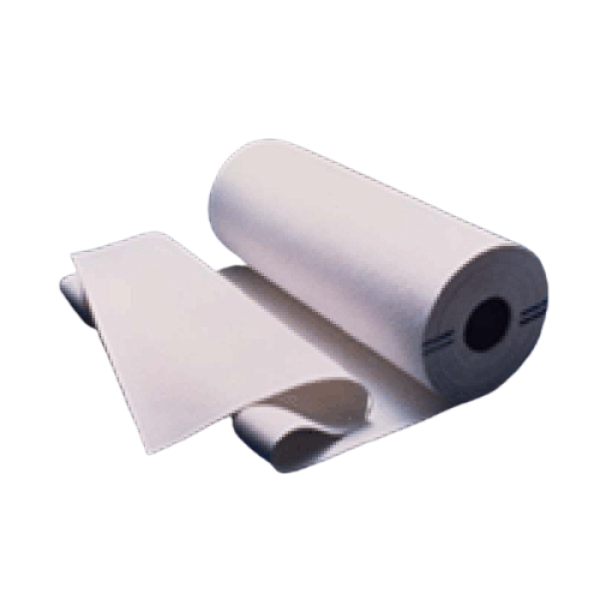
Kiln paper is an indispensable tool in the pottery studio, offering numerous benefits that enhance the quality and efficiency of the ceramic firing process. It acts as a protective barrier between the kiln shelf and clay projects, preventing fusing and easing the post-firing cleanup. For both amateur and professional potters, understanding the advantages of kiln paper can lead to improved results and a more streamlined workflow. This article delves into the multifaceted benefits of using kiln paper, providing insights into why it is a crucial component of modern pottery practices.
What is Kiln Paper?
Kiln paper, often made from ceramic fiber materials, is a thin sheet that lines the kiln shelves during firing. Its primary purpose is to prevent glaze drips and clay from adhering to the shelves, thus protecting both the kiln and the pottery. Discover expert strategies here on how to effectively integrate kiln paper into your pottery projects.
Advantages of Using Kiln Paper
Protection of Kiln Shelves
- Prevents glaze and clay adhesion, reducing damage to kiln shelves.
- Minimizes the need for frequent shelf maintenance and replacement.
- Ensures a longer lifespan for kiln furniture.
Enhancement of Pottery Quality
- Prevents imperfections on the underside of pieces due to sticking.
- Facilitates clean and professional finishes on ceramic products.
- Reduces the risk of cracking or breaking during removal from the kiln.
Improved Efficiency and Cost-Effectiveness
- Decreases time spent on cleaning kiln shelves post-firing.
- Reduces labor costs associated with kiln maintenance.
- Provides an affordable solution compared to kiln wash or other alternatives.
For those looking to enhance their pottery studio’s efficiency, learn about our tailored solutions that incorporate kiln paper as a central component.
How to Use Kiln Paper Effectively
Implementing kiln paper into your pottery process is straightforward, yet there are a few best practices to ensure optimal results. First, measure and cut the kiln paper to fit the kiln shelf dimensions precisely. Lay the paper flat on the shelf, ensuring there are no wrinkles or overlaps that could affect the pottery. As a single-use product, discard the kiln paper after each firing to maintain cleanliness and effectiveness. For more detailed guidance, explore advanced guides and tips on kiln paper usage.
Choosing the Right Kiln Paper
Selecting the appropriate kiln paper involves considering factors such as thickness, temperature tolerance, and compatibility with specific types of clay and glazes. Thicker papers provide more protection but may require adjustments to firing schedules. Likewise, ensure the paper chosen can withstand the maximum temperatures used in your kiln. Find out more about this approach to selecting kiln paper that aligns with your specific studio needs.
Conclusion
Incorporating kiln paper into a pottery studio offers a multitude of benefits, from protecting kiln shelves to enhancing the quality of ceramic pieces. By reducing maintenance needs and improving firing results, it proves to be a valuable asset for any potter. Whether a seasoned professional or a budding enthusiast, understanding the benefits and proper use of kiln paper can significantly impact the efficiency and quality of pottery work. For further information and resources on kiln paper and its applications, explore advanced guides and tips available online.
About the Author