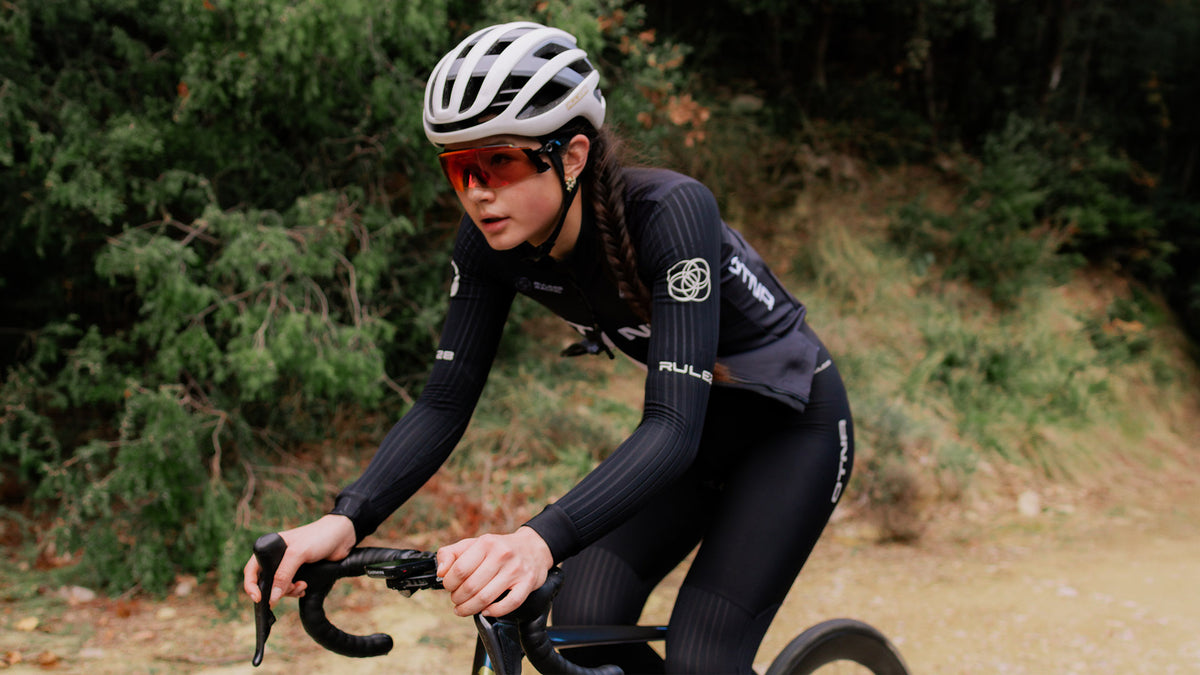
Preparing for a competitive cycling event goes far beyond simply hopping on a bike and pedaling hard. The gear you wear and the equipment you carry can make the difference between a podium finish and a mid-pack result. A well-thought-out race kit not only enhances comfort and aerodynamics but also reduces the risk of mechanical failures and nutritional mishaps. This checklist outlines the essential items every rider should consider to achieve peak performance on race day, with a focus on quality, reliability, and marginal gains.
Core Clothing Essentials
Clothing forms the foundation of any race kit. Modern fabrics and construction techniques provide a blend of compression, temperature regulation, and aerodynamic efficiency.
Base Layer and Jersey
- Technical performance cycling apparel that offers moisture-wicking properties and a snug fit to reduce drag.
- Seamless or flat-lock seams to prevent chafing during long efforts.
- Integrated pockets for easy access to nutrition without sacrificing aerodynamics.
Shorts and Bibs
- High-compression bib shorts with a chamois designed for long-distance comfort.
- Silicone grippers to keep the shorts in place and avoid shifting.
- Consider an additional aero cycling clothing layer for colder conditions.
Aerodynamic Outerwear
- Lightweight, wind-proof jackets that tuck neatly into the back of the jersey.
- Arm warmers or leg sleeves that can be added or removed on the fly.
- For time-trial or triathlon events, a full aero cycling kit with a skinsuit may provide the ultimate reduction in drag.
Helmet and Safety Gear
Safety and aerodynamics go hand-in-hand when selecting a helmet. The right choice can improve airflow while protecting the rider.
- Certified road or time-trial helmet with a smooth interior shell.
- Adjustable fit system to maintain a consistent position throughout the race.
- Integrated visor or sunglasses to reduce glare.
- Optional aerodynamic cycling clothing accessories such as a helmet cover for windy conditions.
Footwear and Pedal System
Power transfer starts at the foot. Selecting the right shoes and pedals ensures every watt is delivered efficiently.
- Stiff, carbon-fiber or high-modulus nylon soles for optimal power transfer.
- Secure closure system, micro-adjustable straps, BOA dials, or Velcro, to keep the shoe snug.
- Clipless pedal system compatible with your cleats; consider a double-sided design for quick entry.
- Spare cleats and a small tool for on-the-road adjustments.
Bike Setup and Mechanical Essentials
A well-tuned machine is the backbone of any race kit. Even the most advanced clothing cannot compensate for a poorly maintained bike.
Pre-Race Tune-Up
- Check tire pressure; use a pressure gauge to achieve the optimal PSI for the day’s conditions.
- Inspect brake pads and rotor alignment.
- Confirm chain wear and lubricate with a clean, low-residue lube.
- Verify shifting performance across all gears.
On-Course Tools and Spares
- Mini-pump or CO??? inflator with cartridges.
- Multi-tool covering chainring bolts, cassette lockring, and derailleur adjustments.
- Spare inner tube or tubeless repair kit.
- Patch kit and tire levers.
Nutrition and Hydration Strategy
Energy management is critical for maintaining power output. The kit should include easy-to-consume fuels that fit within the rider’s digestive tolerance.
- Electrolyte-rich drink mix, stored in a hydration bottle or bladder.
- Energy gels, chews, or bars, each with a clear label for quick selection.
- Compact, reusable snack containers that attach to the jersey pockets.
- Consider cycling marginal gains through precise timing of carbohydrate intake.
Optional Performance Upgrades
While the basics form the core of the race kit, certain upgrades can provide measurable improvements.
- Integrated power meter for real-time data and pacing.
- Carbon fiber wheelset with deep rims for reduced aerodynamic drag.
- Clip-on aero bars for time-trial events.
- Explore the latest best cycling upgrades to stay ahead of the competition.
Final Checklist Before the Start Line
- Lay out all clothing items and verify fit.
- Inspect bike for any signs of wear or damage.
- Pack tools, spares, and nutrition in easily reachable locations.
- Confirm helmet, shoes, and pedals are securely fastened.
- Run a short test ride to ensure everything functions as expected.
By systematically assembling each component of the cycling race kit, riders can focus on strategy and execution rather than last-minute fixes. A meticulous approach to gear selection, combined with an understanding of how each piece contributes to overall efficiency, creates the foundation for peak performance on race day.
About the Author