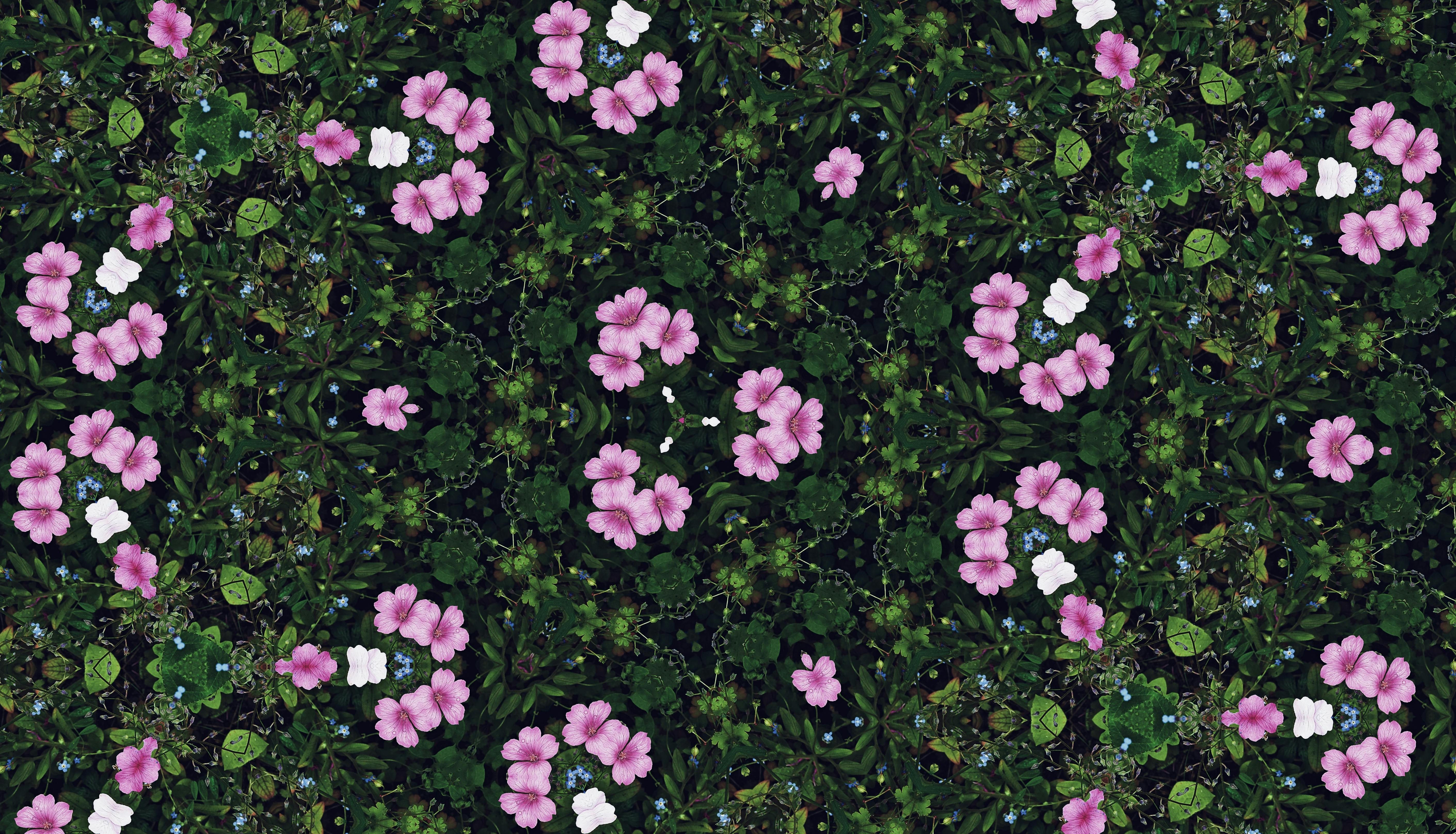
Incorporating floral designs into a garden can transform an ordinary outdoor space into a vibrant oasis. The art of floral design, when paired with well-thought-out garden templates, can create stunning landscapes that captivate the senses. Using garden design templates offers a structured approach to planning, ensuring that the resulting garden is both aesthetically pleasing and practical. These templates serve as a blueprint, guiding individuals in selecting the right plants and arranging them harmoniously. This article explores the benefits of using design templates and offers tips for creating beautiful floral designs.
Why Use Garden Design Templates?
Garden design templates provide a starting point for crafting beautiful garden layouts. They come with several advantages:
- Consistency: Templates ensure a consistent design language throughout the garden, aligning different sections with a cohesive style.
- Efficiency: They save time by providing a pre-defined structure, allowing for quicker decision-making in plant selection and placement.
- Customization: Although templates offer a basic framework, they can be customized to reflect personal preferences and local growing conditions.
By utilizing floral design templates, gardeners can achieve a professional look without extensive design experience, making them accessible to both beginners and seasoned gardeners.
Creating a Stunning Floral Design
Selecting the Right Plants
Choosing the appropriate plants is crucial in creating a stunning floral design. Consider the following when selecting plants:
- Climate Compatibility: Select plants that thrive in the local climate to ensure sustainability and reduce maintenance efforts.
- Color Palette: Opt for a color palette that complements the overall theme of the garden and resonates with personal taste.
- Bloom Time: Choose a mix of plants with staggered bloom times to ensure continuous color throughout the growing season.
Using a flower design template can help in visualizing how different plants will interact and grow together over time.
Arranging the Plants
Plant arrangement plays a significant role in the aesthetics of a floral design. Here are some tips for effective arrangement:
- Height Variation: Place taller plants at the back or center of the garden bed to create depth and prevent overshadowing shorter plants.
- Texture Contrast: Mix plants with different textures to add visual interest and variety to the garden.
- Focal Points: Incorporate focal points, such as a unique plant or a garden ornament, to draw the eye and add structure to the design.
Implementing these strategies in conjunction with a carefully chosen flower garden poem can enhance the thematic elements of the garden, creating a space that is both beautiful and meaningful.
Maintenance and Care
Once the floral design is in place, proper maintenance is essential to keep it looking its best. Consider the following maintenance tips:
- Regular Pruning: Keep plants healthy and encourage growth by removing dead or overgrown branches.
- Proper Watering: Ensure that plants receive adequate water, taking care not to overwater, which can lead to root rot.
- Soil Management: Regularly check soil quality and amend with organic matter as needed to maintain nutrient levels.
Adopting these maintenance practices will ensure that the garden remains a vibrant and healthy environment, reflecting the initial design intent.
Conclusion
Creating stunning floral designs is an achievable goal with the use of well-structured garden design templates. These templates provide a foundation that guides plant selection and arrangement, ensuring a harmonious and visually appealing garden. By selecting the right plants, arranging them thoughtfully, and maintaining the garden with care, individuals can create breathtaking floral designs that enhance their outdoor spaces. For those looking to embark on this creative journey, exploring various garden design templates can provide inspiration and direction for successful garden projects.
About the Author