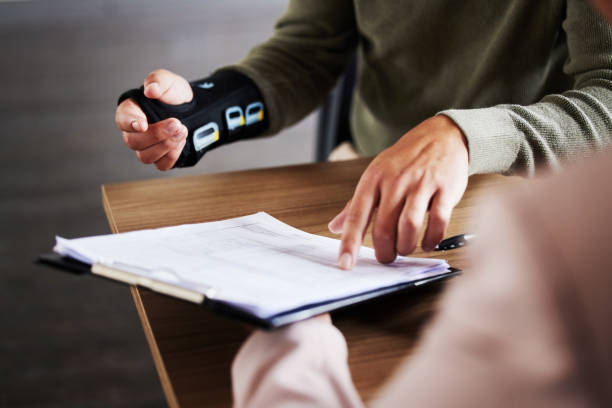
When an individual suffers a personal injury in San Diego, navigating the legal landscape can be daunting. Understanding the essential qualities of a recognized personal injury firm, the typical processes involved, and the resources available can empower victims to make informed decisions. This article outlines the key factors that define reputable legal representation, the steps commonly taken in a personal injury case, and practical guidance for those seeking assistance.
Defining Characteristics of a Recognized Personal Injury Firm
A firm that is widely acknowledged for its competence in personal injury matters typically demonstrates several core attributes:
- Experience and Track Record: A history of handling a variety of injury cases, ranging from motor vehicle accidents to workplace incidents, indicates depth of knowledge.
- Qualified Attorneys: Lawyers who hold appropriate state licenses, maintain active memberships in professional associations, and engage in ongoing legal education.
- Transparent Communication: Clear explanations of legal options, regular case updates, and responsiveness to client inquiries.
- Ethical Standards: Adherence to the State Bar of California’s rules of professional conduct, including confidentiality and conflict-of-interest policies.
- Resource Availability: Access to investigative teams, medical experts, and accident reconstruction specialists to build a strong case.
For a deeper dive into these qualities, Read more about this topic.
Typical Stages of a Personal Injury Case in San Diego
1. Initial Consultation and Case Evaluation
The process usually begins with a free or low-cost consultation where the attorney reviews the facts, assesses liability, and determines the potential value of the claim. Clients should be prepared to provide:
- Police or incident reports
- Medical records and bills
- Photographs of injuries and the accident scene
- Witness contact information
During this stage, the attorney will also explain the statute of limitations for filing a claim in California. Learn more in this detailed guide.
2. Investigation and Evidence Gathering
A thorough investigation is essential to establish fault and quantify damages. Common investigative actions include:
- Interviewing witnesses and experts
- Reviewing surveillance footage
- Analyzing medical diagnoses and treatment plans
- Reconstructing the accident dynamics
Effective evidence collection strengthens negotiation positions and prepares the case for potential litigation. Explore further insights here.
3. Negotiation and Settlement Discussions
Most personal injury claims are resolved through settlement negotiations before reaching trial. Attorneys will:
- Calculate economic losses (medical expenses, lost wages) and non-economic losses (pain and suffering)
- Prepare demand letters outlining the compensation sought
- Engage in mediation or direct negotiations with the opposing party or insurance adjuster
Settlement offers are evaluated against the case’s merits, and clients are advised on the advantages of accepting a fair settlement versus proceeding to court. Find additional information here.
4. Litigation (If Necessary)
When a satisfactory settlement cannot be reached, the case may proceed to trial. Key steps include:
- Filing a complaint and serving the defendant
- Conducting discovery, including depositions and interrogatories
- Presenting evidence and arguments before a judge or jury
- Obtaining a verdict and, if successful, enforcing the judgment
Litigation can be lengthy and costly, but a skilled attorney will weigh the potential recovery against these factors before moving forward.
Choosing the Right Legal Representation
Selecting a personal injury firm requires careful consideration. Prospective clients should assess the following:
- Consultation Approach: Does the firm offer a thorough, no-obligation review of the case?
- Fee Structure: Many reputable firms operate on a contingency basis, meaning fees are only collected if a recovery is achieved.
- Client Support: Are there dedicated staff members who handle case updates and administrative tasks?
- Local Knowledge: Familiarity with San Diego courts, judges, and local regulations can influence case strategy.
Researching a firm’s reputation through legal directories, bar association records, and independent publications helps ensure a well-informed decision.
Additional Resources for Personal Injury Victims
Beyond legal counsel, several resources can assist individuals dealing with the aftermath of an injury:
- Medical Assistance: Seek prompt medical attention and keep detailed records of all treatments.
- Insurance Guidance: Understand the nuances of health, auto, and workers’ compensation policies.
- Support Services: Community organizations and counseling services can provide emotional and practical support.
- Legal Information: State bar websites and consumer protection agencies offer free informational materials.
For comprehensive legal insights specific to San Diego, Read more about this topic. Access to reliable information empowers victims to protect their rights and pursue appropriate compensation.
About the Author