Managing hunger while pursuing weight-loss goals can feel like a constant battle. Modern science offers a range of appetite-control supplements that aim to curb cravings, support metabolic function, and promote sustainable results. This guide explores the most effective pill options, explains how they work, and provides practical advice for integrating them safely into a balanced lifestyle.
How Appetite-Control Pills Work
Appetite-control supplements target the body’s hunger signals through several mechanisms:
- Satiety hormones: Ingredients such as 5-HTP or glucomannan stimulate the release of leptin and serotonin, which signal fullness to the brain.
- Thermogenesis: Natural stimulants like green tea extract or caffeine increase calorie burn, indirectly reducing the desire to eat.
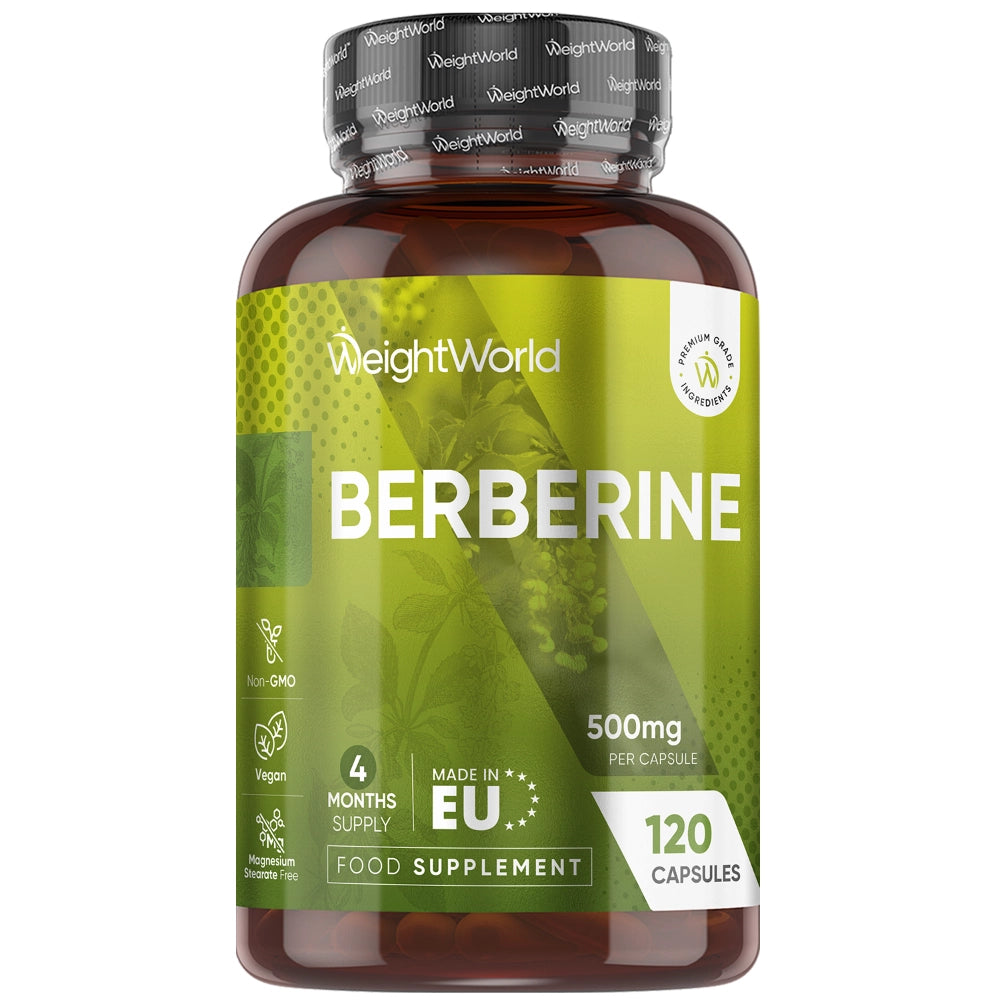
- Blood-sugar stability: Compounds such as berberine help regulate glucose levels, preventing spikes that trigger cravings.
- Digestive bulk: Fiber-based pills expand in the stomach, creating a physical sense of fullness.
Understanding these pathways makes it easier to match a supplement to personal needs. For a deeper dive into scientific explanations, Discover expert strategies here.
Top Categories of Appetite-Control Pills
1. Fiber-Based Supplements
Glucomannan, psyllium husk, and inulin are soluble fibers that absorb water, forming a gel that slows gastric emptying. This effect can reduce overall calorie intake without drastic dietary changes.
2. Thermogenic Formulas
Green tea extract, caffeine, and capsaicin are common in thermogenic blends. By modestly raising body temperature, they help the body expend more energy, which can lessen the urge to snack.
3. Hormonal Modulators
5-HTP (a serotonin precursor) and chromium picolinate influence neurotransmitters that govern appetite. When used responsibly, they may decrease emotional eating episodes.
4. Metabolic Enhancers
Berberine, a plant alkaloid, improves insulin sensitivity and supports healthy blood-sugar levels. Consistent use can lead to fewer cravings for sugary foods.
For a curated selection of these products, Learn about our tailored solutions.
Choosing the Right Pill for Individual Goals
Not every supplement suits every person. Consider the following criteria before making a decision:
- Health status: Individuals with hypertension, thyroid disorders, or pregnancy should consult a healthcare professional.
- Desired effect: If the primary goal is reduced snacking, fiber-based options are often most effective. For boosting metabolism, thermogenic blends may be preferable.
- Dosage simplicity: Some formulas require multiple daily doses, while others are once-daily capsules.
- Ingredient transparency: Look for products that disclose exact amounts of active compounds.
Detailed product comparisons and safety guidelines are available at Explore advanced guides and tips.
Integrating Pills with Lifestyle Practices
Appetite-control pills work best when paired with foundational habits:
- Consume a protein-rich breakfast to stabilize morning hunger.
- Stay hydrated; thirst is often mistaken for appetite.
- Prioritize whole foods rich in fiber, which complement supplement effects.
- Engage in regular physical activity, both cardio and resistance training, to enhance metabolic benefits.
- Track progress with a journal or app to identify patterns and adjust dosages if needed.
For actionable lifestyle recommendations, Find out more about this approach.
Safety Considerations and Common Side Effects
While many appetite-control pills are well-tolerated, potential side effects can include:
- Digestive discomfort (bloating, gas) – common with high-fiber options.
- Increased heart rate or jitteriness – typical of stimulant-based thermogenics.
- Headaches or mild dizziness – occasionally reported with 5-HTP.
Mitigation strategies involve starting with the lowest effective dose, taking the supplement with meals, and monitoring any reactions for at least two weeks before adjusting. Always consult a qualified health professional, especially when combining supplements with prescription medication.
Frequently Asked Questions
Can appetite-control pills replace a healthy diet?
No. Supplements are designed to assist, not substitute, balanced nutrition. Sustainable weight loss relies on a calorie-appropriate diet rich in nutrients.
How long does it take to notice results?
Most users report reduced cravings within 3-7 days, though measurable weight changes typically appear after 4-6 weeks of consistent use combined with lifestyle adjustments.
Are natural ingredients safer than synthetic ones?
Natural does not automatically mean safe for everyone. Dosage, individual sensitivities, and interactions determine safety, underscoring the importance of professional guidance.
Conclusion
Selecting the best pill for appetite control involves understanding the underlying mechanisms, evaluating personal health factors, and pairing the supplement with solid dietary and exercise habits. By focusing on evidence-based ingredients such as fiber, thermogenic botanicals, hormonal modulators, and metabolic enhancers, individuals can gain a reliable edge in their weight-loss journey. For a comprehensive range of vetted options, detailed product information, and expert guidance, visit the dedicated collection at Discover expert strategies here. Consistent use, combined with mindful eating and regular activity, creates a sustainable path toward lasting weight-loss success.
About the Author