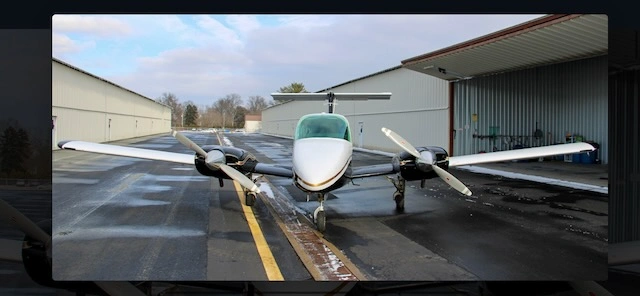
In today’s competitive aviation industry, continuous skill enhancement is crucial for career advancement. Multi engine training is an essential step for pilots looking to broaden their capabilities and increase their marketability. This type of training not only provides the technical knowledge needed to operate multi-engine aircraft but also hones decision-making skills crucial for safe and efficient flying. By acquiring a multi engine rating, pilots can open doors to more advanced and rewarding career opportunities. This article delves into the benefits and process of multi engine training, providing valuable insights for those considering this important career move.
Understanding Multi Engine Training
Multi engine training involves specialized instruction that prepares pilots to handle the complexities of aircraft with more than one engine. This type of training covers various aspects, such as:
- Understanding engine-out procedures and asymmetric thrust management
- Mastering the performance and limitations of multi-engine aircraft
- Gaining proficiency in handling emergency situations unique to multi-engine planes
- Learning advanced navigation and communication skills
Read more about this topic and its implications for pilot proficiency and safety here.
Benefits of Acquiring a Multi Engine Rating
Securing a multi engine rating offers several advantages, including:
- Increased Employment Opportunities: Many commercial operations require pilots to have a multi engine rating, thereby expanding job prospects.
- Higher Earning Potential: Pilots with multi engine certifications often command higher salaries due to their enhanced skills.
- Access to Advanced Aircraft: Multi engine training allows pilots to fly more complex and sophisticated aircraft, often used in corporate and charter aviation.
- Enhanced Safety Skills: The training provides comprehensive knowledge on handling emergencies, contributing to safer flight operations.
Learn more in this detailed guide about how this certification can elevate a pilot’s career here.
Steps to Obtain a Multi Engine Rating
Eligibility and Prerequisites
Before embarking on multi engine training, pilots should meet certain prerequisites:
- Possession of a private or commercial pilot license
- A specific number of flight hours in single-engine aircraft
- Completion of the necessary ground school training
Explore further insights into these requirements here.
Training Process
The training process typically involves:
- Ground Instruction: Covering theoretical knowledge related to multi-engine operations.
- Flight Training: Practical lessons focused on handling multi-engine aircraft in various scenarios.
- Checkride: An evaluation flight to assess the pilot’s competence in managing a multi-engine aircraft.
Find additional information on the comprehensive training process here.
Conclusion
Obtaining a multi engine rating is a significant milestone in a pilot’s career. It opens up a world of opportunities and enhances one’s skill set, making it an invaluable addition to any pilot’s credentials. For those serious about advancing their aviation career, investing time and resources into multi engine training is a decision that can yield substantial long-term benefits. By following the proper training pathways and understanding the requirements, pilots can ensure their readiness for this exciting and challenging endeavor. For more insights and guidance on multi engine training, you can explore further resources available here.
About the Author


