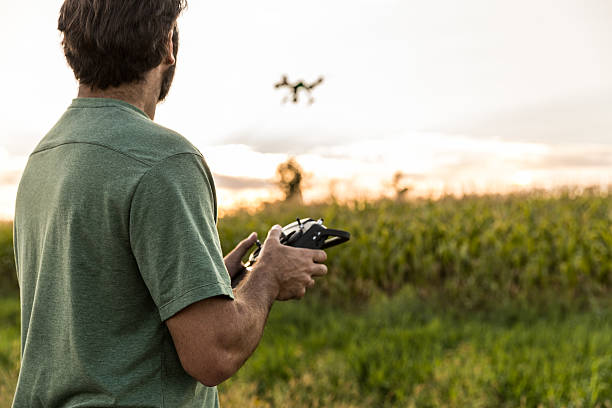
In recent years, personal drone transport has evolved from a futuristic concept into a tangible reality. As the world embraces urban air mobility, drones are increasingly being seen as viable solutions for personal transport. These innovations promise to transform how individuals move, offering speed, efficiency, and a reduction in ground traffic congestion. However, navigating this new frontier requires an understanding of the technology, regulation, and practical implementation of drone transportation systems.
Technological Advancements in Personal Drone Transport
The rapid technological advancements in drone technology have been pivotal in making personal drone transport feasible. Key developments include:
- Improved battery life, allowing for longer flights and extended range.
- Enhanced GPS and navigation systems for precise location tracking and route optimization.
- Advanced materials that reduce weight while maintaining structural integrity.
- Innovative safety features such as collision avoidance systems and emergency landing protocols.
To stay updated on the latest technological developments and their applications in personal transport, discover expert strategies here.
Regulatory Challenges and Solutions
The integration of drones into personal transport systems is not without its challenges, particularly in the regulatory domain. Effective solutions are essential to overcome these hurdles:
Airspace Management
Managing airspace to accommodate a growing number of drones is crucial. Solutions involve:
- Implementing Unmanned Traffic Management (UTM) systems to coordinate drone activities.
- Designating specific drone corridors to minimize interference with traditional aircraft.
- Collaborating with aviation authorities to develop comprehensive guidelines and regulations.
For a deeper dive into regulatory strategies, learn about our tailored solutions.
Public Safety and Privacy
Ensuring public safety and respecting privacy are paramount. Strategies include:
- Enforcing strict licensing and training requirements for drone operators.
- Utilizing geofencing technology to restrict drone access to sensitive areas.
- Implementing data protection standards to safeguard personal information.
To understand how these measures are applied in practice, explore advanced guides and tips.
Practical Applications and Future Outlook
The practical applications of personal drone transport are vast, offering solutions for various scenarios:
- Urban commutes: Reducing journey times in congested cities.
- Emergency response: Providing rapid access to remote or otherwise inaccessible areas.
- Environmentally friendly transport: Lowering carbon footprints compared to traditional vehicles.
As the technology matures, the future outlook for personal drone transport is promising. Innovations in autonomous flight, enhanced safety protocols, and more efficient power sources will further enhance the feasibility and appeal of these systems. Find out more about this approach and its implications for the future of transportation.
In conclusion, the path toward integrating personal drone transport into everyday life is marked by significant technological, regulatory, and practical milestones. By continuing to address these challenges with innovative solutions, the potential for drones to revolutionize personal transport becomes not just a possibility, but an impending reality.
About the Author


